Introduction
Installing security cameras at home has become one of the most effective ways to protect your family and property. With rising awareness around home safety and smart technology, many homeowners are now considering surveillance systems as a long-term security solution.
This blog explains everything homeowners should know before installing security cameras, including types of cameras, placement tips, legal considerations, internet requirements, storage options, and maintenance needs. By the end of this guide, you will clearly understand how to choose the right cctv system and why professional security camera installation for the home is important for reliable and effective protection.
Why Home Security Cameras Are Important
Home security cameras do more than just record videos. They help prevent unwanted activities, provide peace of mind, and allow homeowners to monitor their property even when they are away.
Some key reasons homeowners invest in security cameras include:
- Preventing break-ins and suspicious activities
- Monitoring entrances, parking areas, and outdoor spaces
- Keeping an eye on children, elderly family members, or domestic help
- Recording incidents for future reference
- Enhancing overall home safety and control
With smart features like mobile access, motion alerts, and night vision, modern security cameras offer advanced protection for homes of all sizes.
Types of Security Cameras for Homes
Before choosing a system, it’s important to understand the different types of security cameras available.
1. Indoor Security Cameras
These are designed to monitor living rooms, hallways, and common indoor areas. They are compact, easy to install, and often come with two-way audio.
2. Outdoor Security Cameras
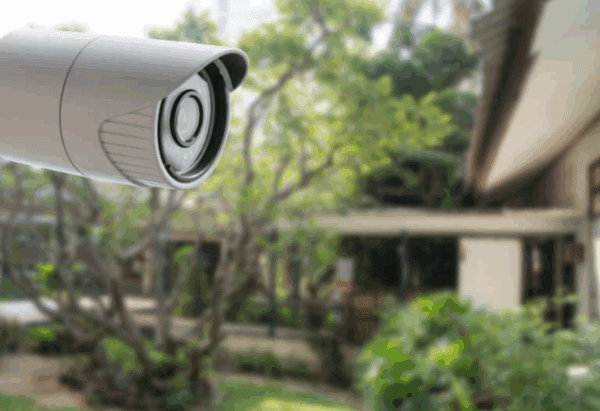
Outdoor cameras are weather-resistant and built to withstand heat, dust, and rain. They are ideal for entrances, gates, balconies, and parking areas.
3. Wired Cameras
Wired cameras offer stable connectivity and continuous recording. They are ideal for homeowners who want a permanent and reliable setup.
4. Wireless Cameras
Wireless cameras are easier to install and offer flexibility in placement. They connect through Wi-Fi and are popular for smart homes.
5. Smart Security Cameras
These cameras integrate with mobile apps and smart home systems, allowing remote access, alerts, and real-time monitoring.
Choosing the right type depends on your home layout, security needs, and budget.
Important Things to Consider Before Installation
Installing security cameras is not just about fixing a camera on the wall. Proper planning is essential.
1. Camera Placement
Correct placement ensures better coverage and clear visibility. Cameras should be installed:
- At entry and exit points
- Near windows and balconies
- Overlooking driveways or parking areas
- At a height that avoids tampering
Avoid pointing cameras directly at strong light sources to prevent glare.
2. Internet and Power Requirements
Most modern cameras require a stable internet connection for live viewing and alerts. Make sure your Wi-Fi signal is strong where cameras are installed. Also, consider power availability for wired systems or battery life for wireless models.
3. Storage Options
Security footage can be stored in different ways:
- Cloud storage for remote access
- Local storage using memory cards or recorders
- Hybrid options for backup security
Choose a storage solution based on how long you want to keep recordings.
4. Privacy Awareness
Homeowners should be mindful of privacy. Cameras should focus only on personal property and not invade neighboring spaces. This helps maintain trust and avoids legal concerns.
Benefits of Professional Security Camera Installation for the Home
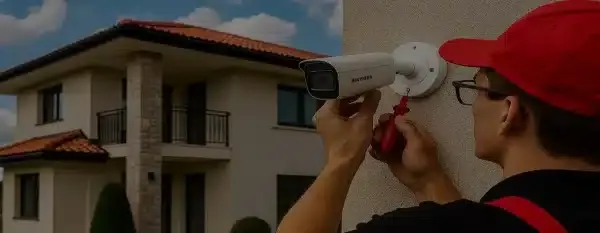
Professional installation ensures the system works efficiently and delivers long-term reliability and offers several advantages.
- Correct camera positioning for maximum coverage
- Neat cable management and secure mounting
- Proper system configuration and testing
- Reduced risk of blind spots or technical issues
- Guidance on system usage and maintenance
Common Mistakes Homeowners Should Avoid
Many homeowners make simple mistakes that reduce the effectiveness of their security system.
Avoid these common issues:
- Installing too few cameras
- Ignoring blind spots
- Choosing low-quality cameras
- Poor internet connectivity
- Skipping regular system checks
Proper planning and expert guidance help avoid these problems.
Maintenance and Regular Checks
Once installed, security cameras require minimal but regular maintenance to perform well.
Simple maintenance tips include:
- Cleaning camera lenses to maintain clear footage
- Checking cables and power supply
- Updating camera software and apps
- Testing night vision and motion detection
Routine checks ensure your home remains protected at all times.
How Security Cameras Improve Home Value
A well-installed security camera system can increase a home’s overall value. Many buyers appreciate homes with existing safety features, as it saves time and installation costs. It also reflects responsible home management and care.
Conclusion
Installing security cameras is a smart step toward creating a safer and more controlled home environment. By understanding camera types, placement, storage options, and the importance of professional installation, homeowners can make informed decisions that offer long-term protection and peace of mind.
For reliable and professional security camera installation for the home, working with experienced experts makes a significant difference. Cybotech Technology LLC provides trusted security solutions designed to meet modern home safety needs with precision, quality, and long-term reliability.
Related services